Is HWRA really different from CGWA?
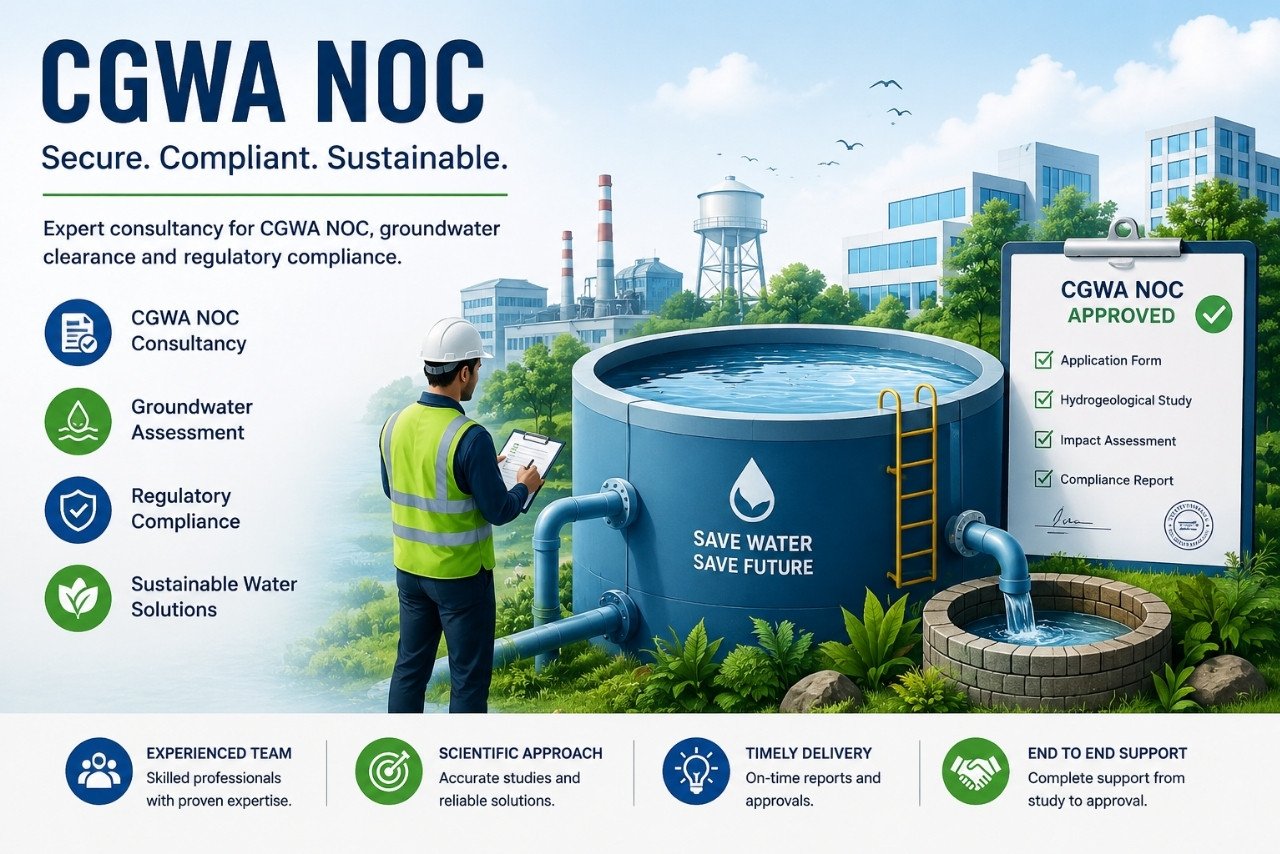
Yes, and the difference matters. Haryana took groundwater regulation into its own hands with the Haryana Water Resources (Conservation, Regulation and Management) Authority Act of 2020. Since then the Haryana Water Resources Authority, usually shortened to HWRA, has handled permission for groundwater extraction across the state.
A builder in Gurugram or a warehouse in Sonipat who files with the central authority out of habit will simply be told to go to the state. That is weeks lost before the real work starts.
Who needs permission
The authority looks at anyone drawing groundwater for industrial, commercial, infrastructure, mining or bulk water supply purposes. Group housing societies, hotels, hospitals, schools with large campuses, car washes, packaged drinking water units and construction sites that dewater during excavation all fall in this space. Agriculture and individual domestic use are treated separately.
Dewatering deserves a special mention. Many Gurugram projects hit groundwater while digging basements, and pumping it out is extraction in the eyes of the regulator. Treat it as such before the excavator arrives, not after a complaint.
The documents that carry the most weight
HWRA applications are made online and the list of documents is not short. A few of them do most of the heavy lifting.
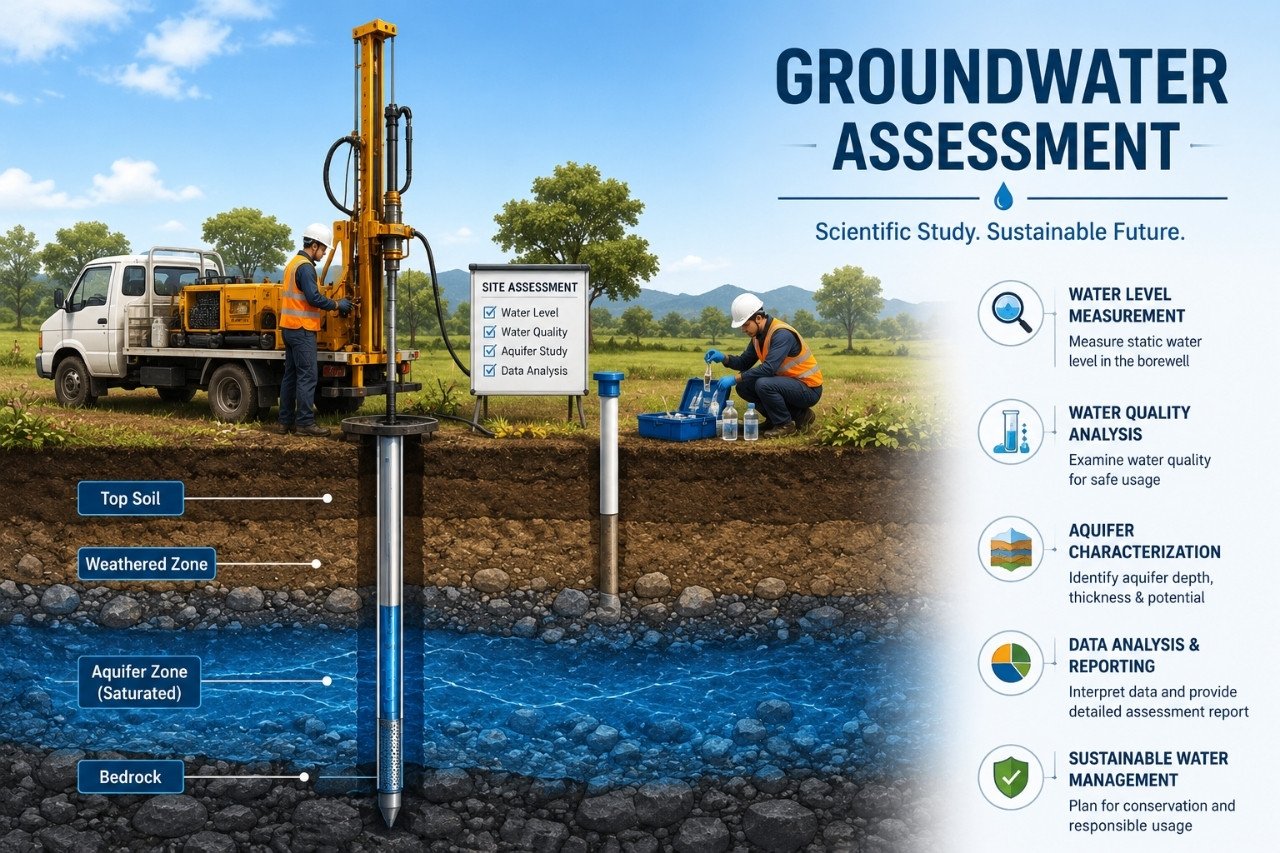
The site plan with exact borewell locations and coordinates. The water requirement worked out sensibly, separated by use. A hydrogeological report for larger draws that describes the aquifer, depth to water, existing wells nearby and the likely impact of pumping. Proof of a water meter and, where asked, a piezometer to track water levels over time. And a recharge plan sized to the plot rather than copied from another project.
Each of these needs to agree with the others. If the site plan shows two borewells and the water demand assumes three, the inconsistency will be noticed.
Blocks under stress
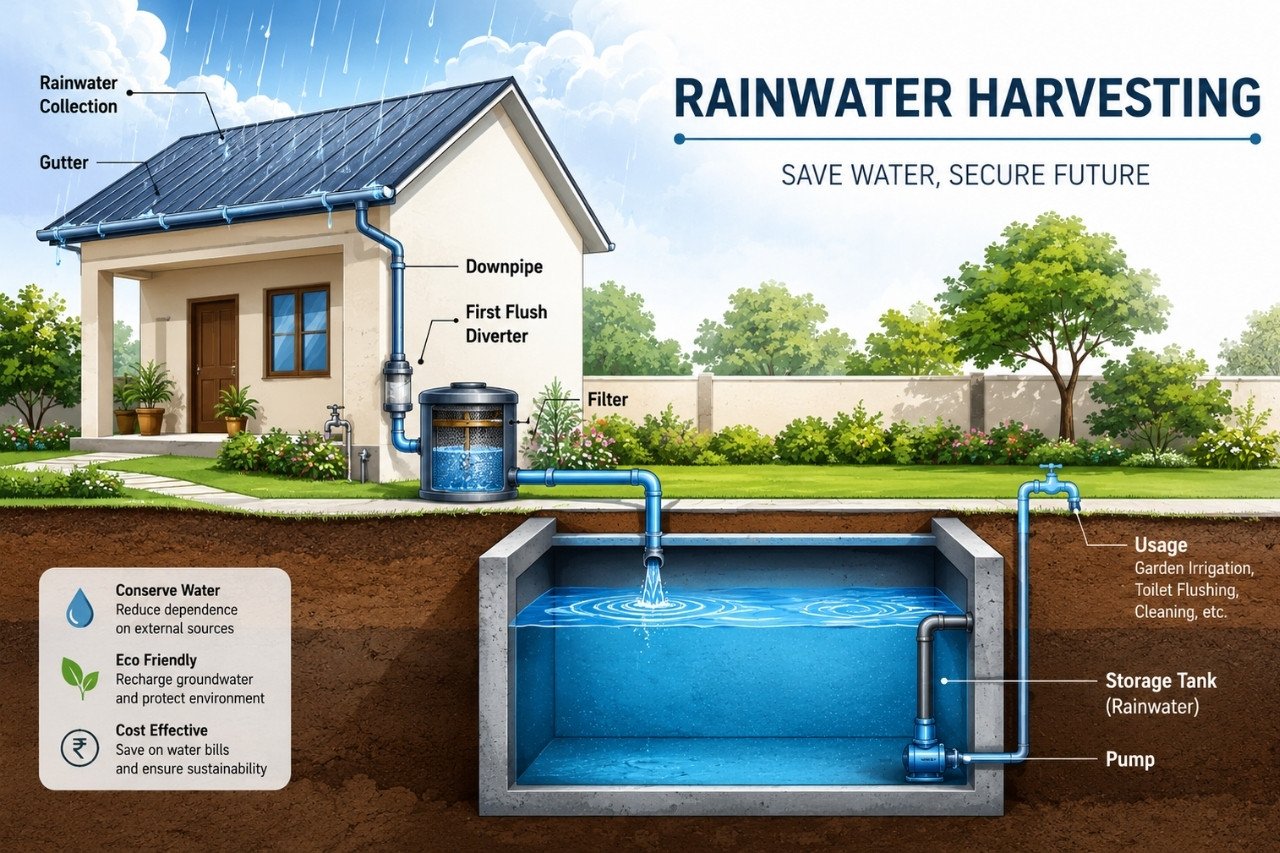
Much of Haryana is classified as over-exploited or critical. In those areas the authority leans hard on reuse and recharge, and new fresh water draws can be restricted. A project in such a block should arrive with a credible plan to use treated water for flushing, gardening and cooling, and to send rooftop runoff into recharge structures.
This is not box ticking. A housing society in an over-exploited block that installs dual plumbing from day one will spend less on water for the next twenty years than one that retrofits later.
After the permission arrives
The permission letter is the beginning of compliance, not the end. Meter readings need to be logged, piezometer data reported, and recharge structures kept working through the monsoon. Renewals look at that history. A clean record makes renewal routine, and a patchy one invites a fresh round of scrutiny.
Practical tips for Gurugram, Faridabad and industrial belts
The busiest HWRA files come from the NCR side of Haryana, where construction and industry are concentrated and water tables are under pressure. A few habits help projects in these areas.
Plan dewatering separately from long term supply. A basement excavation may need to pump a large volume for a few months, while the finished building needs a smaller steady supply for years. Mixing the two in one figure confuses the file. Show the authority how dewatered water will be used or recharged instead of simply sent to a drain.
Look at treated water early. Many Gurugram projects can source treated wastewater for construction and later for landscaping, and showing that you have explored it strengthens your request for fresh groundwater.
Keep the drilling agency’s details on file. The authority may ask who drilled the bore, when and to what depth. A driller who cannot provide a simple log of the strata encountered is a warning sign.
Expect the authority to take a closer interest in sites near public water supply wells or in villages where residents rely on handpumps. A thoughtful impact section in the technical report, rather than a one line assurance, goes a long way here.
Finally, if your site already has a running borewell without permission, do not wait for an inspection. Regularising an existing structure is a recognised route, and starting it voluntarily is far better than responding to a notice.
Also read
Talk to Neer
Neer helps builders, industries and institutions prepare HWRA files, hydrogeological reports and recharge plans across Haryana. We are an accredited consultant from CGWA and have offered water consultancy since 2000. Book a free consultation for NOC applicability on +91 92138 90505 or +91 99715 57488, or write to co*****@*****co.in.