A state that ran out of easy water
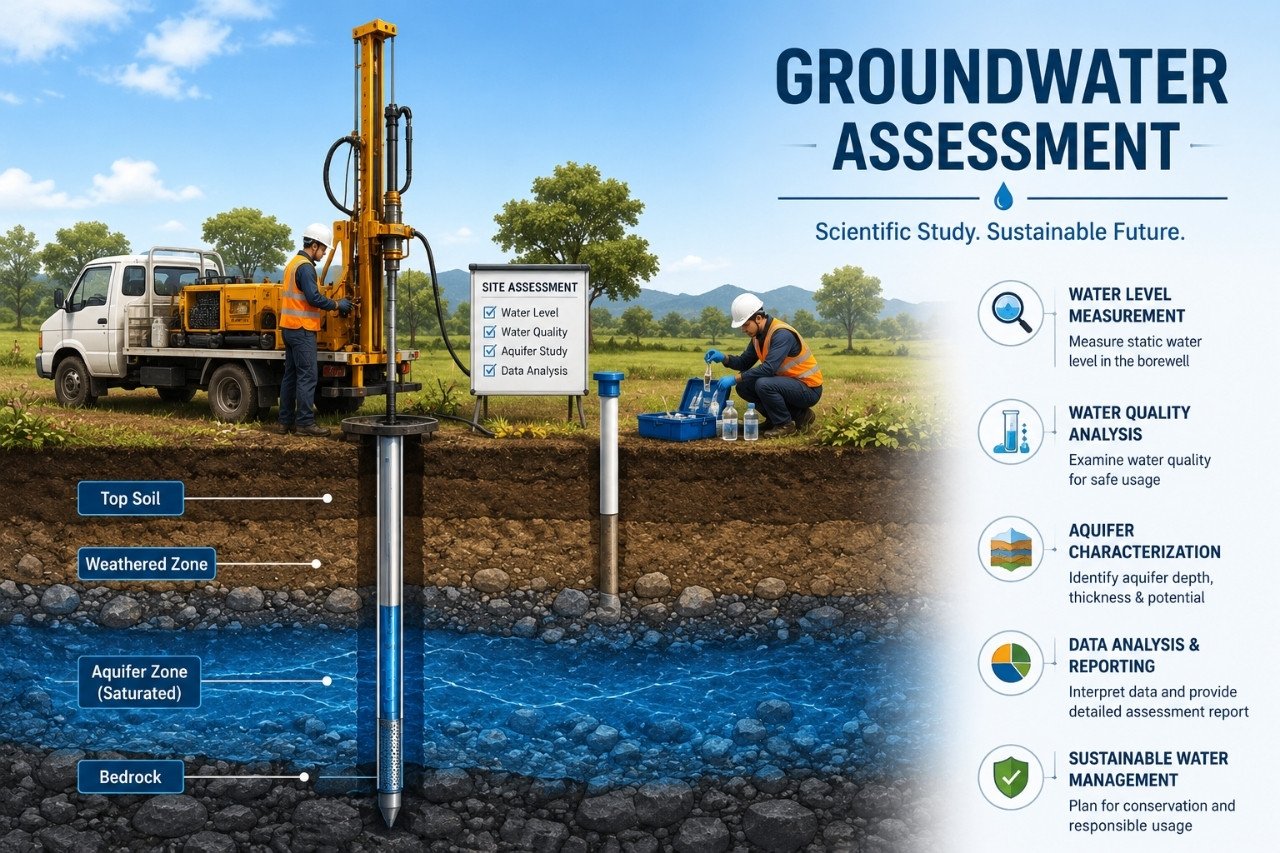
Punjab fed the country for decades, and its aquifers paid the price. Water tables across much of the state have dropped so far that tubewells which once struck water at a modest depth now go many times deeper. That history explains why the Punjab Water Regulation and Development Authority exists and why it behaves the way it does.
PWRDA Punjab was set up under the Punjab Water Resources (Management and Regulation) Act of 2020. Its job is simple to state and hard to do. Keep track of who pumps groundwater, put a price on non-agricultural use, and push users toward recharge and reuse.
Who falls under PWRDA
Farmers drawing water for irrigation and households using water for drinking and domestic needs are outside the charging net. Almost everyone else is in it. Factories, hotels, hospitals, malls, commercial complexes, group housing, institutions and infrastructure projects that run their own borewells are expected to register and obtain permission.
The surprise for many owners is that an old borewell does not get a free pass. A rice mill near Ludhiana that has been running the same tubewell since the nineties still has to bring it on record, install a meter and pay for what it draws.
How extraction charges work
PWRDA charges for groundwater by volume, and the rate depends on where you are and how much you draw. Areas where the aquifer is in worse shape attract higher rates, and larger draws move into steeper slabs. In practice this means two similar factories in different blocks can face very different bills.
We usually tell clients to stop thinking of this as a fee and start thinking of it as a utility. Once water has a meter and a monthly cost, wasted water becomes visible. A leaking cooling tower or an overflowing overhead tank stops being a nuisance and becomes a line item.
Getting the permission right the first time
An application to PWRDA is filed online with site details, borewell data, water demand, and for larger users a technical report on the local aquifer. The details that slow files down are rarely dramatic.
- The water demand does not match the production capacity declared elsewhere.
- The borewell depth and diameter are guessed instead of measured.
- No meter has been installed, or the meter is not of an approved type.
- Recharge and reuse plans are a single vague paragraph.
Fix those four and most of the back and forth disappears.
Cutting the bill without cutting corners
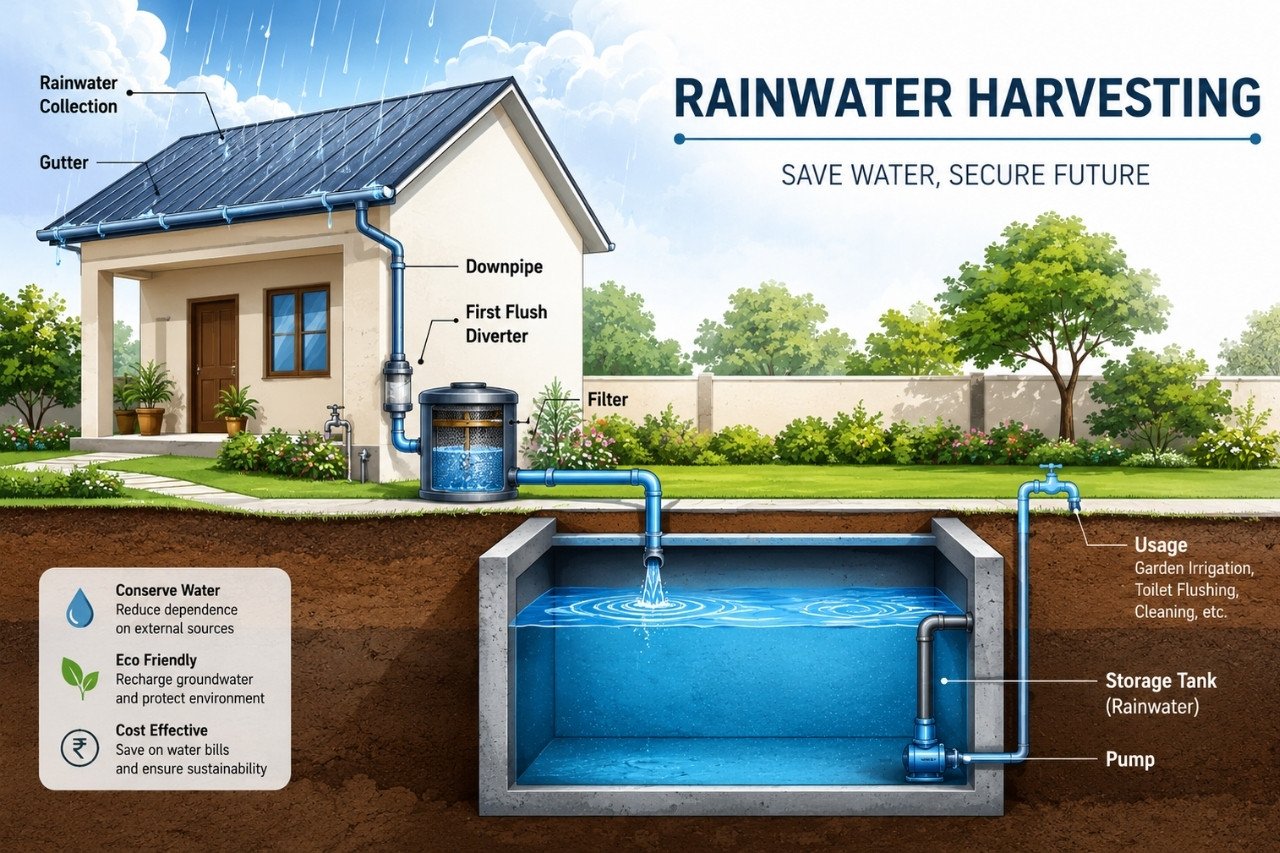
There is a strong case for investing in reuse once charges apply. Treated water from an ETP or STP can go to gardening, flushing and cooling, which reduces fresh draw. Rainwater from a large factory roof can be routed to recharge wells instead of the drain. Each kilolitre you do not pump is a kilolitre you do not pay for, and it also strengthens your case when the permission comes up for renewal.
A careful water balance, showing where every litre goes, often finds savings the plant team did not know existed. It is the least glamorous document in the file and frequently the most useful.
Monitoring and records PWRDA will look for
Once permission is granted, the relationship with PWRDA Punjab continues through meter readings and reporting. Readings need to be taken and kept regularly, and the authority may ask for them at any time or during inspection. A meter that has stopped working is not a small issue, because without readings the authority has no reliable basis for your charges or your compliance.
Larger users may also be asked to install piezometers so that water levels near the plant can be tracked. These records serve the business too. If levels under your site keep falling, your own borewell may need deepening sooner than planned, which is an expense worth seeing coming.
Keep the records simple and consistent. One register or spreadsheet, the same person responsible, readings at the same time each month, and photographs of the meter display. When a query arrives, you want to answer it in an hour, not a week.
A note for housing and commercial projects
Group housing societies and commercial complexes in Mohali, Ludhiana, Jalandhar and Amritsar often run their own borewells alongside municipal supply. Many of them were built before PWRDA existed and have never formally registered. Residents’ associations taking over maintenance from a builder should check this early, since unpaid charges and missing permissions can become the association’s problem the day handover is signed.
Also read
Talk to Neer
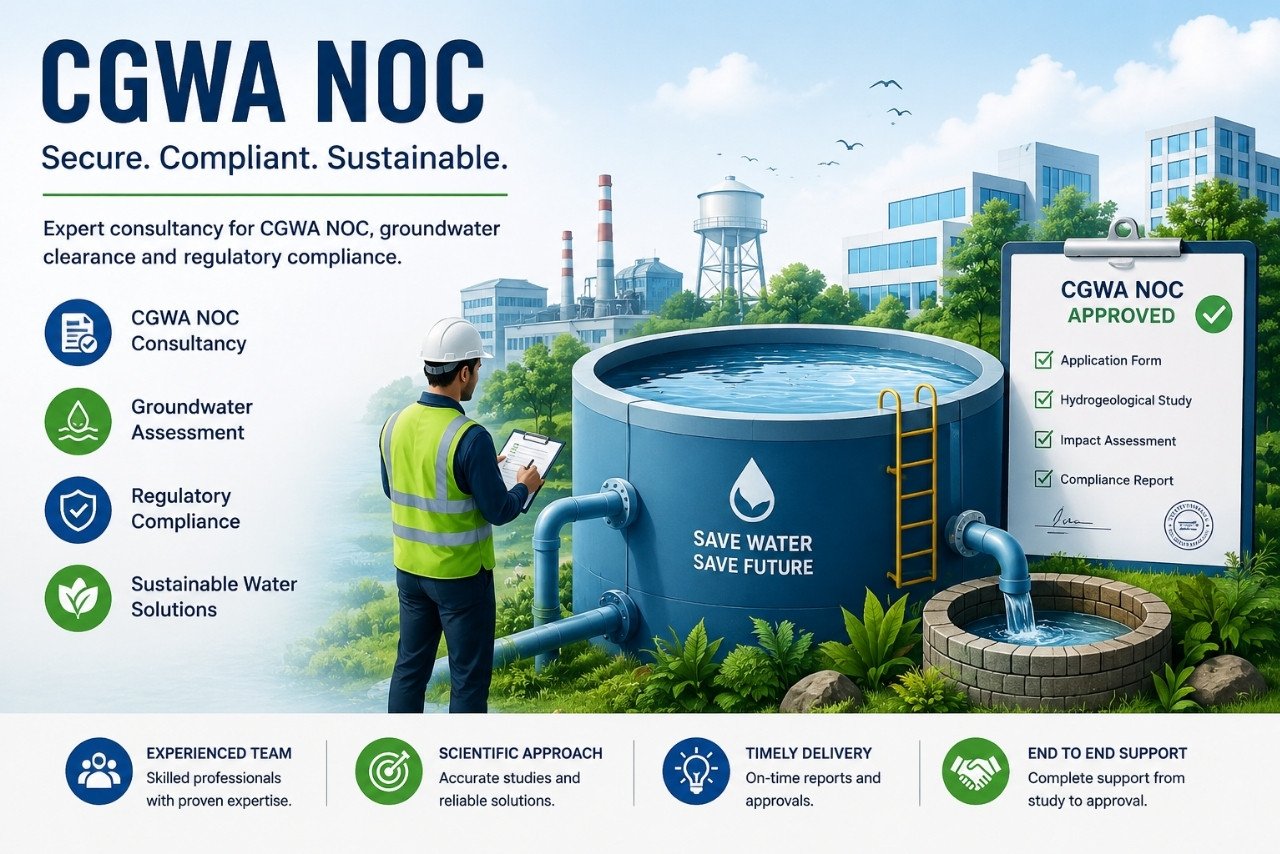
Neer works on PWRDA Punjab permissions, metering plans and water balance studies for industrial and commercial users. We are an accredited consultant from CGWA with water consultancy experience since 2000. For a free consultation for NOC applicability, call +91 92138 90505 or +91 99715 57488, or email co*****@*****co.in.