Punjab regulates this through its own authority.
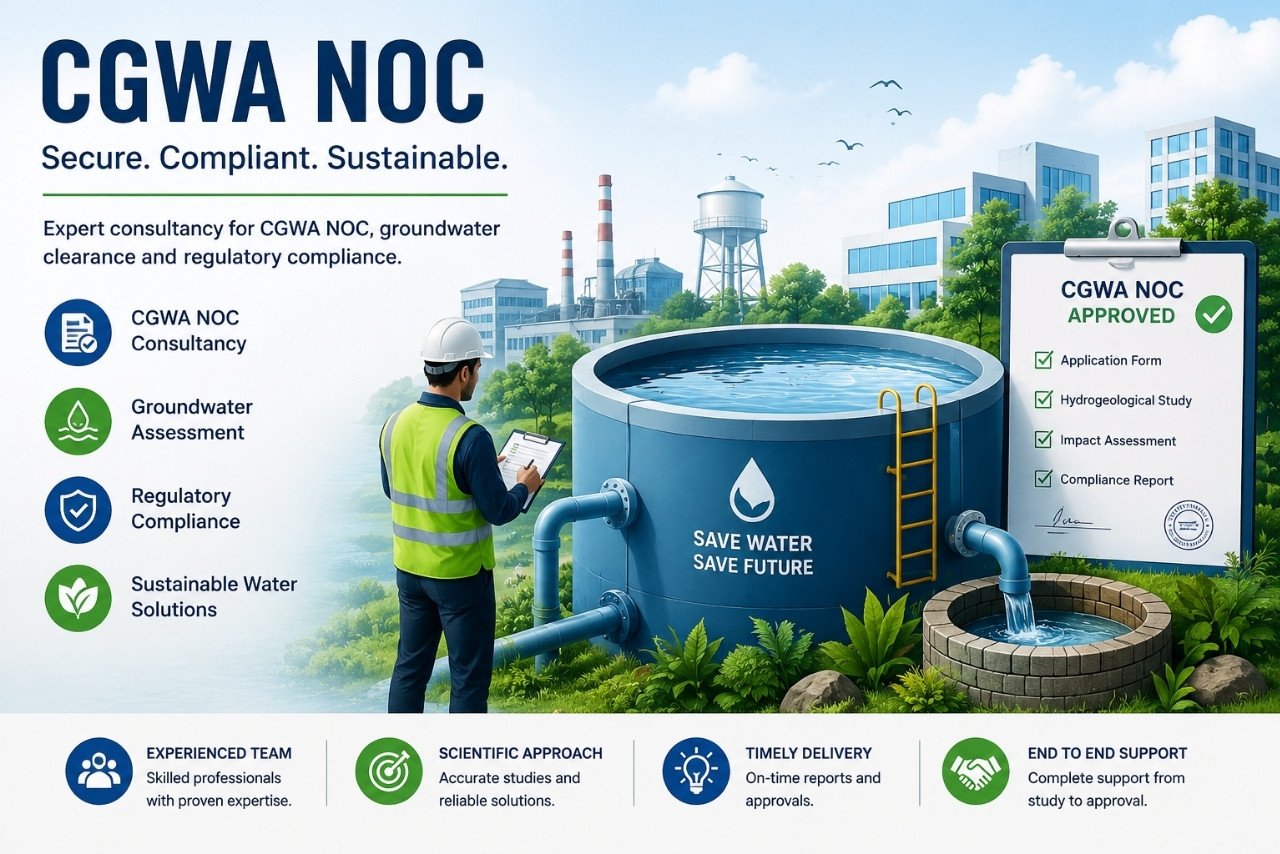
Punjab issues groundwater withdrawal clearance through the Punjab Water Resources and Development Authority rather than leaving it entirely to the central body, so the best CGWA consultant in Punjab for your project is one who can speak fluently about PWRDA’s specific process, not just the general central guidelines. That distinction alone rules out consultants who only have experience filing in states with no separate state authority.
Distilleries and agro-industry need deeper studies.
Punjab’s economy carries a heavy concentration of distilleries, sugar mills, rice processing, and textile dyeing, all of which draw and often discharge significant water volumes. NEER has itself studied groundwater quality around distilleries in the state and planned rejuvenation programs where quality had degraded, including post-implementation monitoring that confirmed the remediation worked. That kind of direct field experience with the state’s dominant industries is worth asking about when you compare consultants.
Ask how they treat groundwater quality, not just quantity.
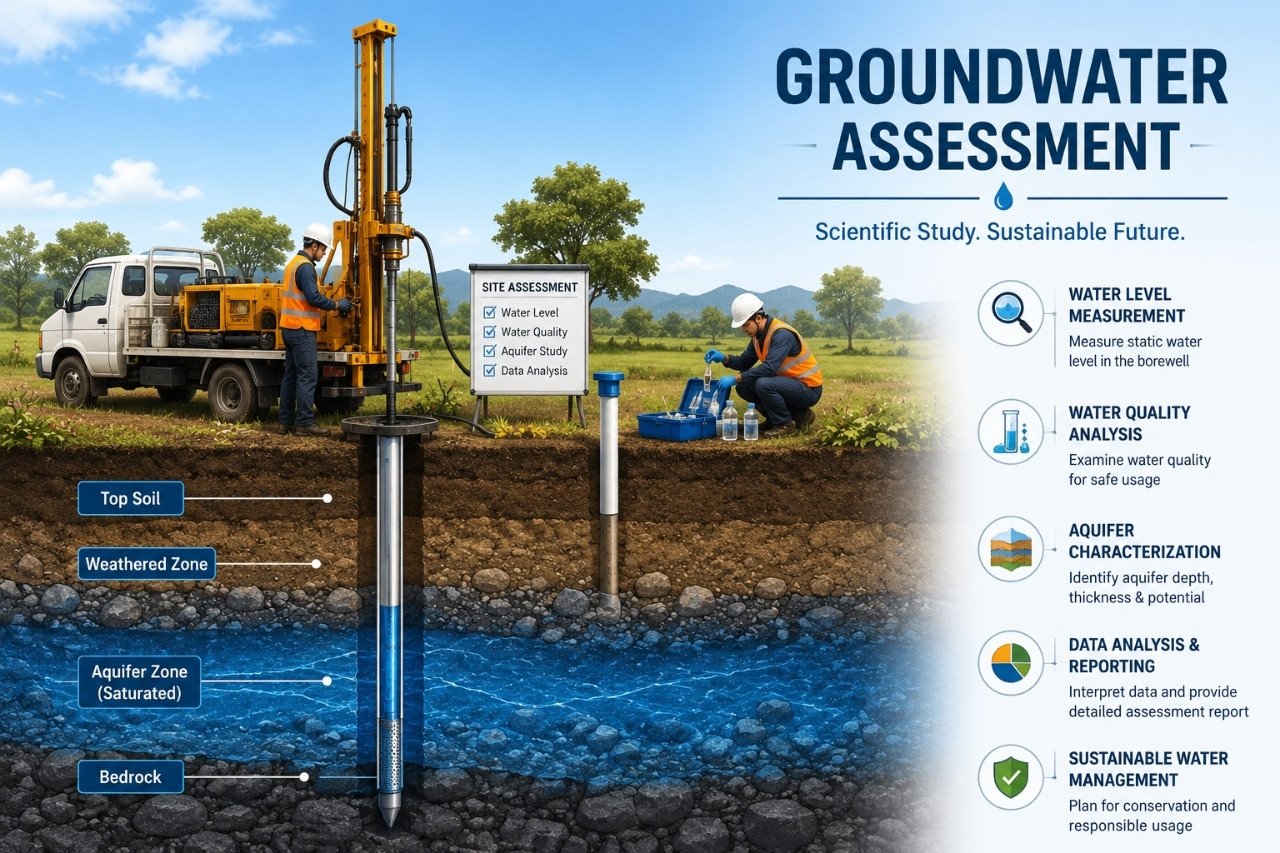
A strong impact assessment in Punjab usually needs to look at more than abstraction volume. Where an industry discharges effluent or has operated for years without monitoring, quality data becomes part of the picture the authority wants to see. A consultant who only measures water level and skips quality testing is giving you half a report. Follow us NEER

Check their experience with rejuvenation planning.
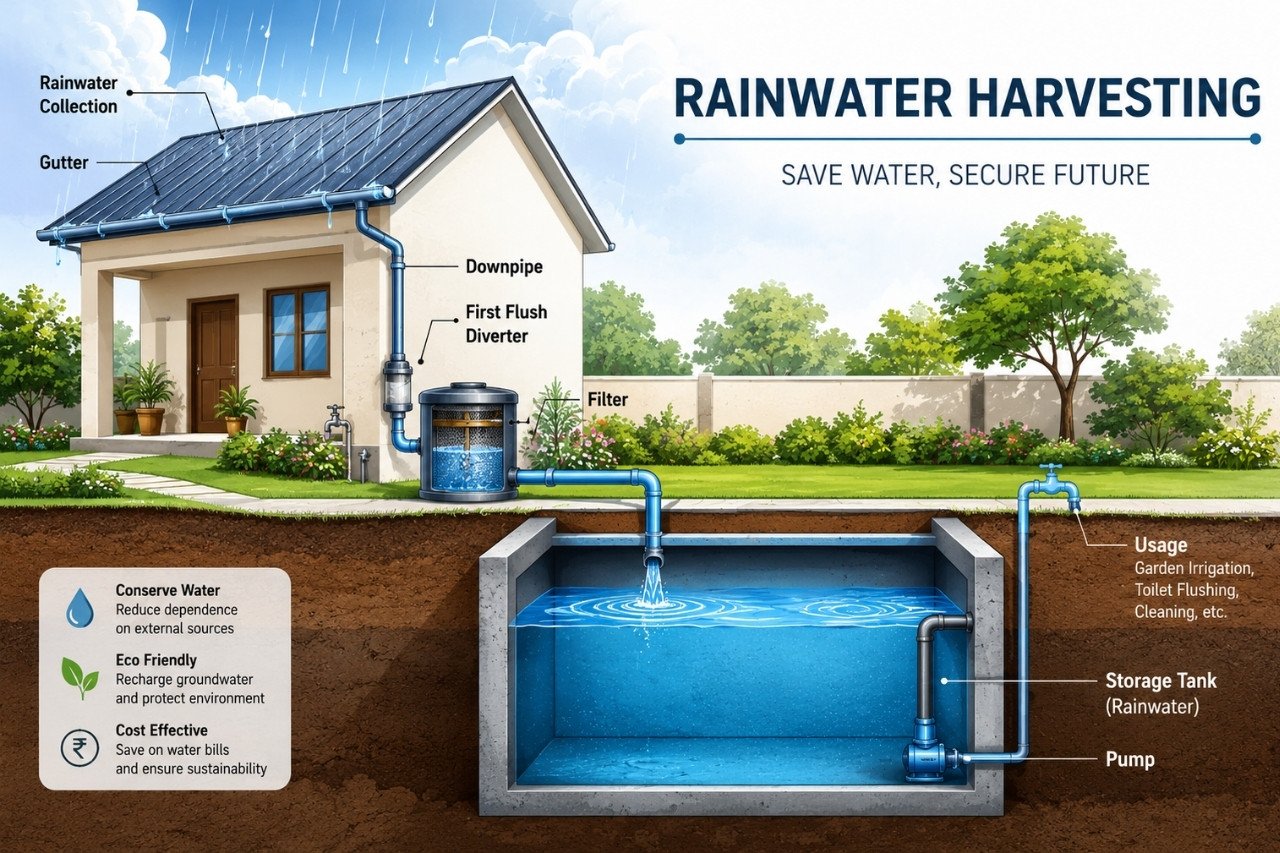
If your site already shows signs of groundwater stress or contamination, getting an NOC is only part of the problem. Ask whether the consultant can also plan and guide a recharge or rejuvenation program, since some authorities now expect this as a condition of approval rather than an optional extra. NEER
Confirm ongoing compliance support.
PWRDA approvals, like most state clearances, come with conditions attached. A consultant should walk you through metering, reporting frequency, and what happens if a future inspection finds a gap, rather than treating the NOC certificate as the finish line.