Speed is not the whole story.
Most project teams start searching for the best CGWA consultant only after someone in finance or legal has flagged that a No Objection Certificate is missing. That urgency is understandable, but it tends to push the search toward whoever promises the fastest turnaround. A rushed impact assessment report that gets sent back with queries three times ends up slower than a careful one submitted once. The consultant worth hiring is the one whose reports rarely bounce back, not the one who quotes the shortest timeline on day one. Follow us NEER
Check the accreditation, not just the claim.
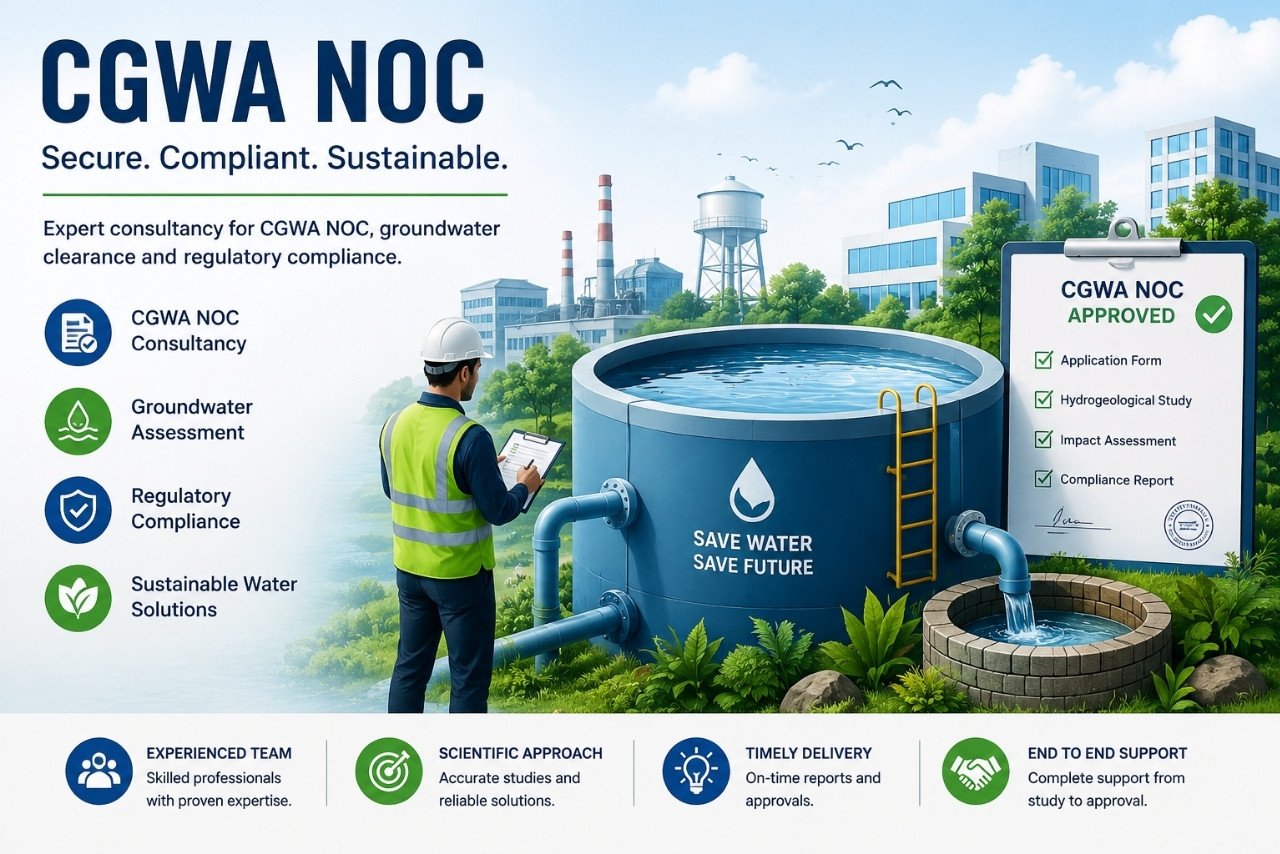
Any firm can put “CGWA consultant” on a website. What matters is whether that firm is actually listed as an Accredited Consultant of the Central Ground Water Authority for preparing Ground Water Withdrawal Impact Assessment reports under the September 2020 guidelines. Ask for the accreditation reference directly, and ask how many reports the firm has actually filed under it. A consultant who has prepared 200 reports understands where reviewers push back in a way a consultant who has prepared 15 simply cannot.
Look at who is doing the fieldwork.
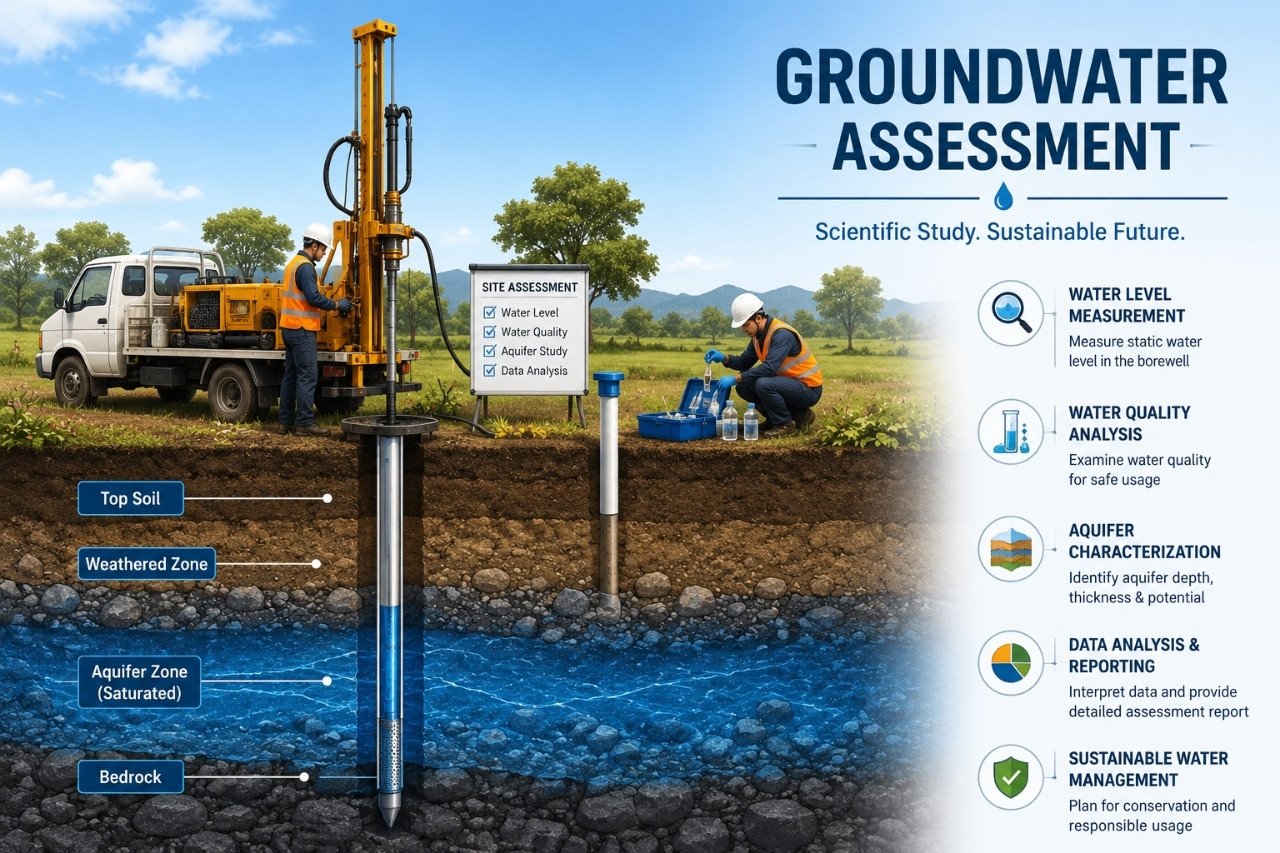
A groundwater impact assessment is only as good as the hydrogeological survey behind it. Some firms send a junior field team once, then generate a templated report that could belong to almost any site. Ask who will actually visit the project location, what data they collect there, and whether a qualified hydrogeologist reviews the findings before submission. NEER’s reports are reviewed under the guidance of a former Commissioner of Groundwater at the Ministry of Water Resources, and that kind of senior sign-off is a reasonable thing to ask any consultant about.

Ask how they handle renewals and queries.
New applications get most of the attention, but a large share of the work is renewals and responding to authority queries on an existing file. A consultant who only knows how to file a fresh application will struggle when the state portal comes back asking for clarification on abstraction volume or aquifer classification. Before signing on, ask the consultant to walk through how they have handled a query in the past. Their answer tells you more about competence than any brochure will. NEER
Confirm they stay involved after the NOC is issued.
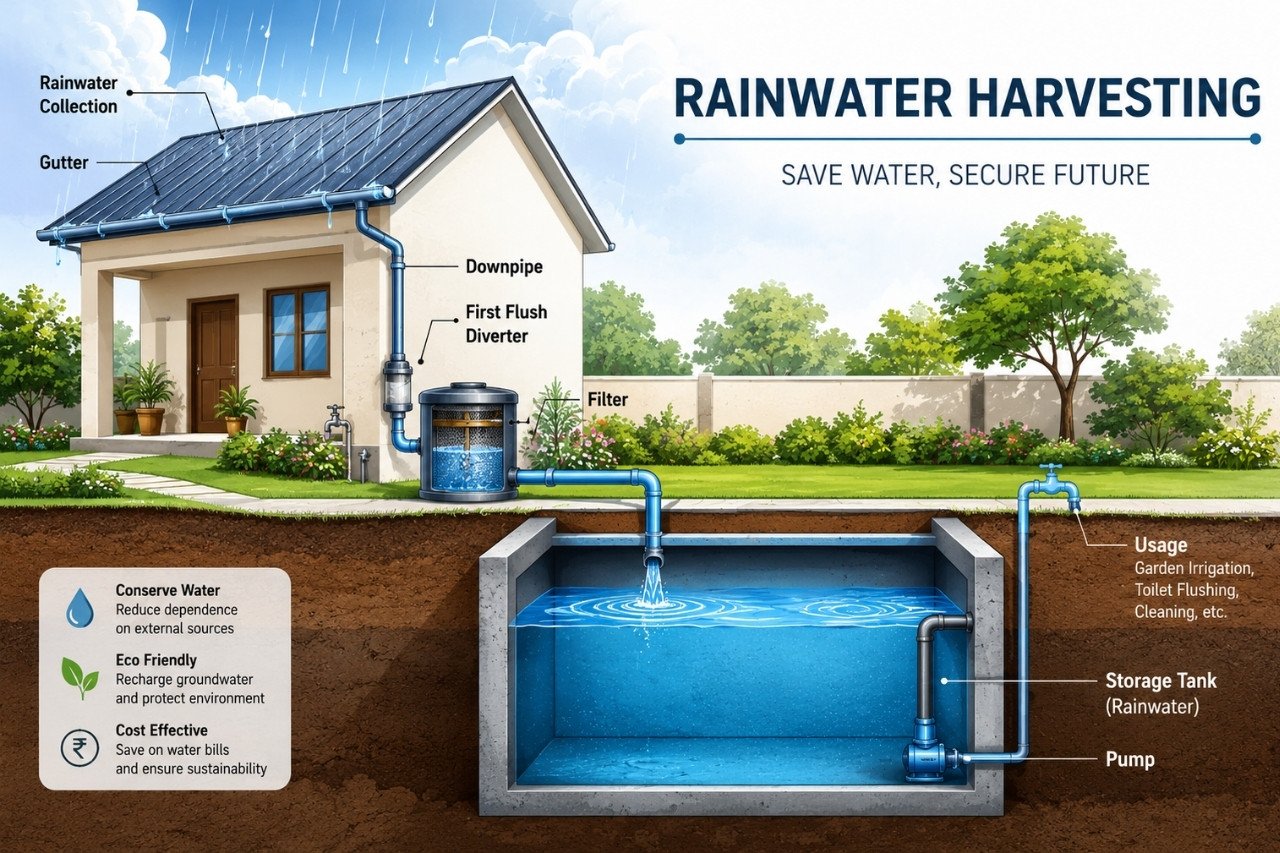
Getting the NOC is not the end of the obligation. Every certificate carries conditions on monitoring, reporting, and sometimes recharge structures, and non-compliance can attract a penalty. A consultant worth calling the best is one who explains these conditions plainly and offers to guide implementation, rather than handing over a PDF and moving to the next client. That follow-through is usually the clearest sign of a firm that treats groundwater compliance as ongoing work, not a one-time transaction. Follow us NEER