Start with the site visit, not the form.
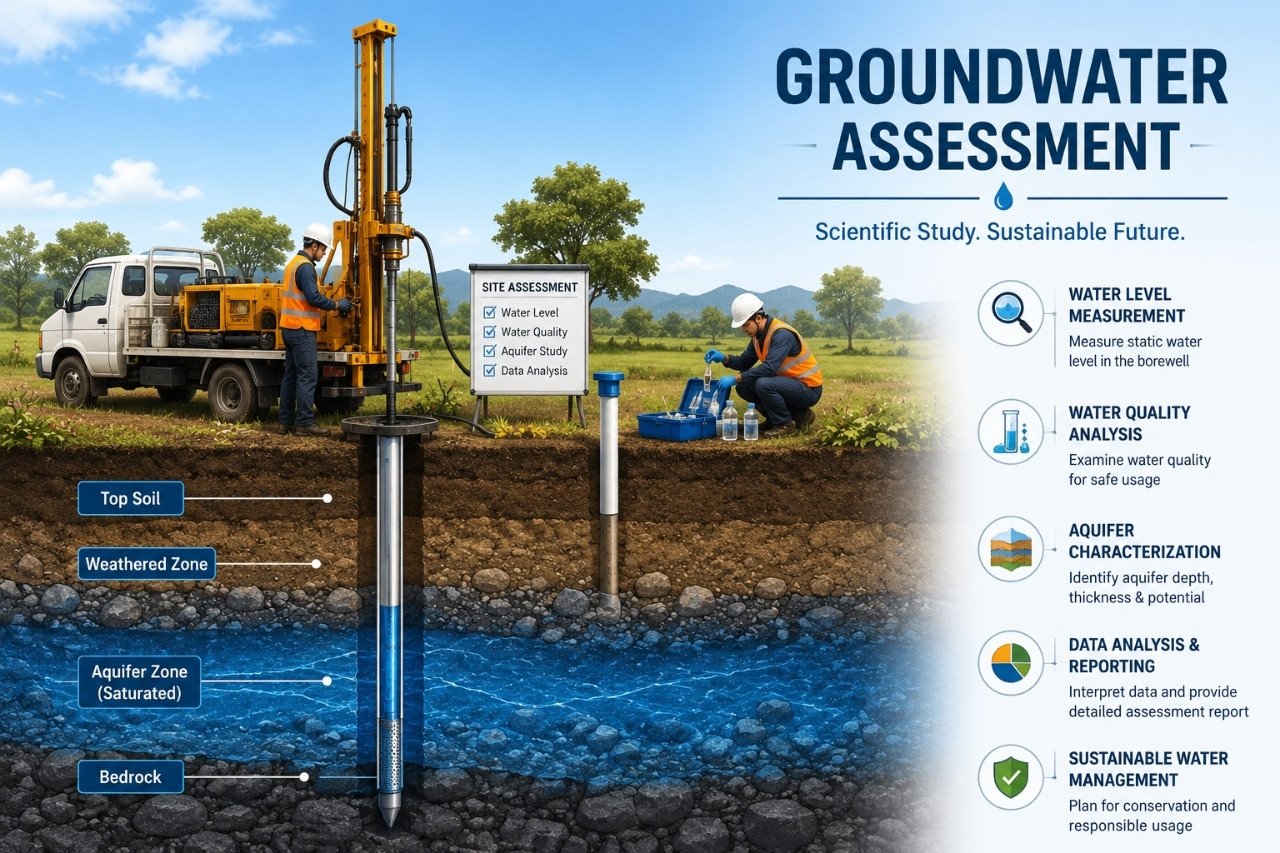
Before any document gets filled, the best CGWA consultant sends someone to your site to record the static water level, understand the local aquifer, and note the exact category your project falls into based on withdrawal volume and land use. Skipping this step, or doing it superficially, is where a lot of weak applications begin. NEER
Data collection and category classification
Once field data is in hand, the consultant classifies the project against the authority’s criteria, whether that is industrial, infrastructure, or mining, and against the block’s existing groundwater status. This classification decides how detailed the impact assessment report needs to be and which supporting studies, if any, are required alongside it.
Drafting the impact assessment report
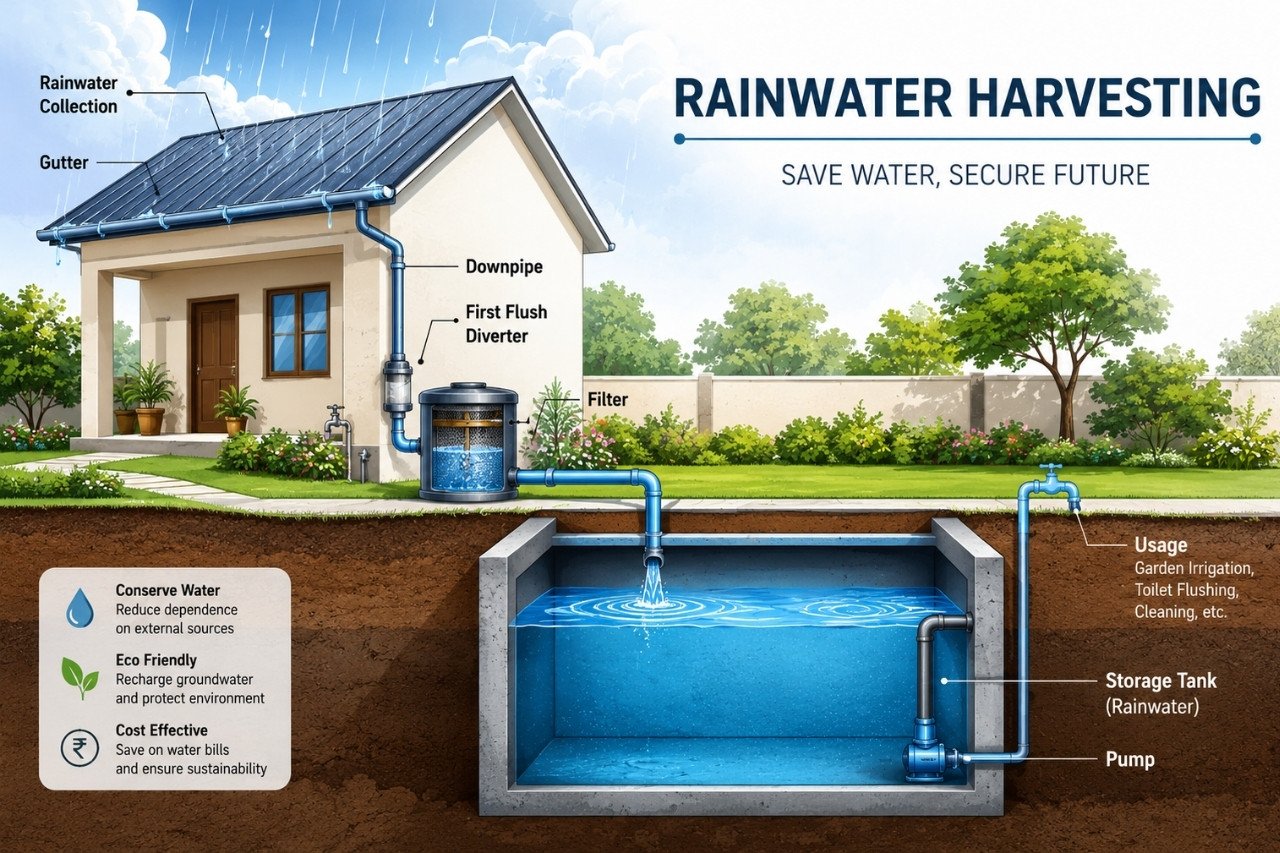
The report itself covers your project’s water demand, the local hydrogeology, projected impact on the aquifer, and proposed mitigation such as recharge structures. A rushed draft here is the single biggest reason applications come back with queries, so this stage usually takes the longest of the whole process. Follow us NEER

Filing and tracking on the relevant portal
Depending on your location, the application goes either through the central CGWA portal or a state authority’s own system, each with its own document checklist and format requirements. A consultant familiar with both avoids the common mistake of using the wrong template or missing a mandatory field. NEER
Query handling and final approval
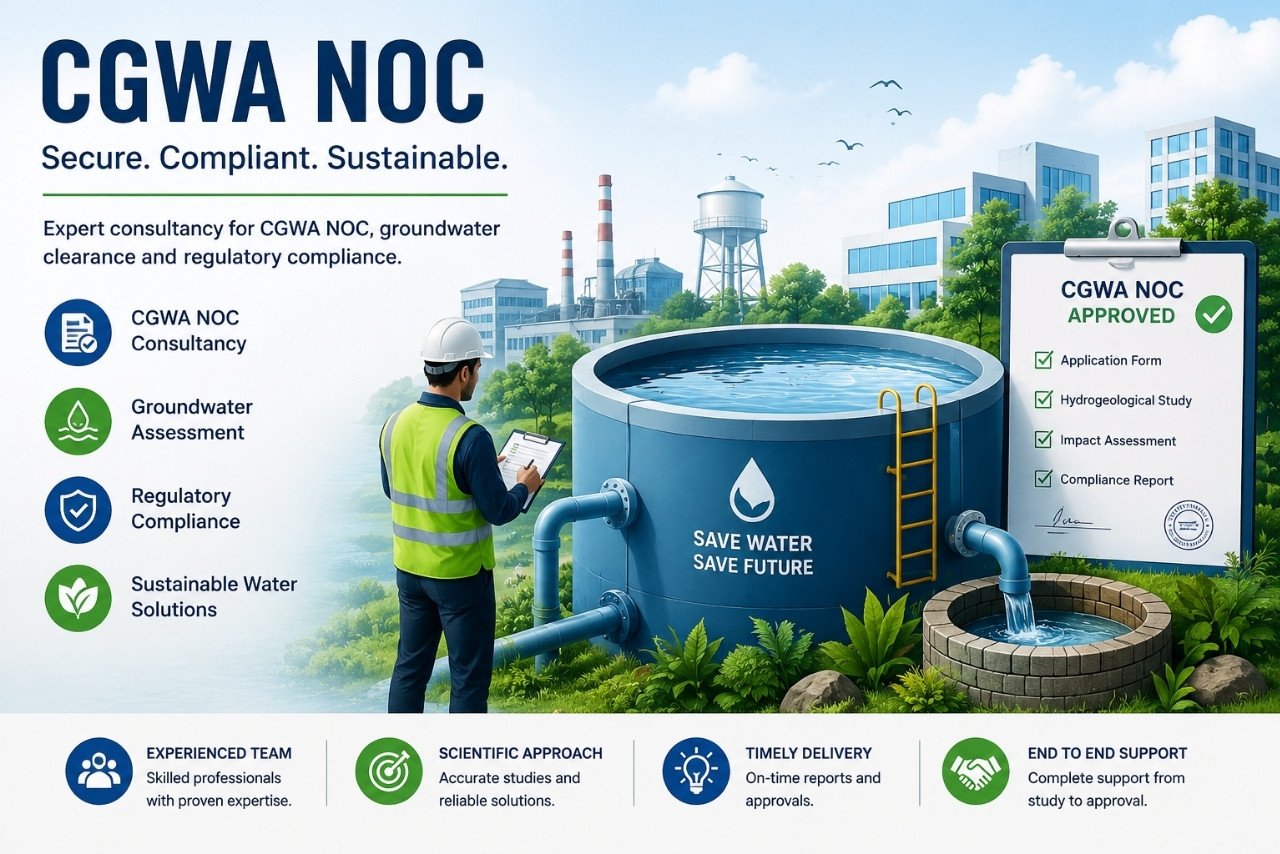
Almost every application gets at least one query from the reviewing authority, asking for clarification on a figure or an additional document. How quickly and accurately the consultant responds often determines whether approval takes weeks or months. Once cleared, the NOC arrives with conditions on monitoring and reporting that the consultant should explain clearly rather than leaving you to interpret alone.