Mining and mineral processing set the bar higher.
Rajasthan’s economy carries a heavy share of marble, sandstone, and other mineral processing units alongside cement plants, and these categories typically face closer scrutiny in a groundwater impact assessment than a standard manufacturing unit. Anyone looking for the best CGWA consultant in Rajasthan for a mining or mineral processing project should expect, and ask for, a more detailed hydrogeological study than a general-purpose consultant might offer by default. NEER
Arid zone data needs specific handling.
Large parts of Rajasthan sit in water-stressed or semi-arid zones, and the authority’s review tends to look harder at cumulative extraction in these areas. A consultant who can speak specifically to block-level groundwater categorization in your district, rather than a generic statewide answer, is showing real familiarity with the region rather than a rehearsed pitch.
Ask how they handle CGWA versus any state process.
Rajasthan does not appear among the states that run their own separate groundwater authority outside CGWA, so applications generally route through the central process. A consultant should be able to explain this clearly, along with any district-level variation you might encounter, rather than assuming every application is identical. Follow us NEER

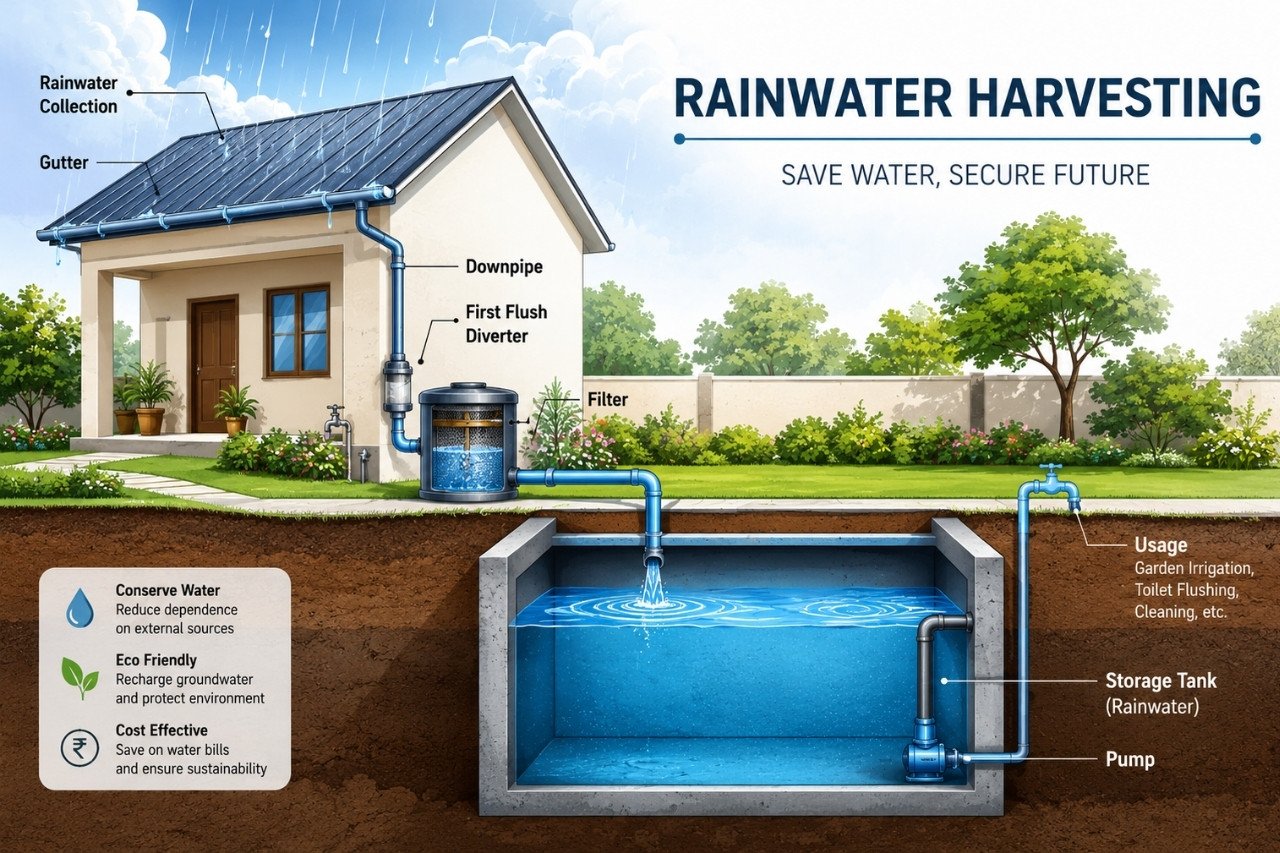
Recharge planning matters more here.
Given the water stress across much of the state, authorities increasingly expect a recharge or conservation component as part of approval conditions, not as an afterthought. Ask whether the consultant designs these structures themselves or only mentions them as a requirement without offering to plan one. NEER
Look for a track record with mining categories specifically.
Mining and quarrying projects are assessed differently from standard industrial withdrawal, often requiring more detailed technical justification. A consultant with actual mining-sector filings behind them will move through this category faster than one applying general industrial templates.